Tag Archives: quiet time

The Anti‑Fireworks Guide: A Quiet Fourth for Loud Lives

Not everyone is counting down to the first boom of the night. For families with babies, pets, sensory‑sensitive kids, or just a deep appreciation for peace, the Fourth of July can feel like a holiday designed for everyone else. This year, the Anti‑Fireworks movement is gaining momentum, and honestly, it feels like a breath of fresh air. A quiet Fourth doesn’t mean a boring one. It simply means celebrating in a way that feels good for your home, your people, and your sanity — and yes, pajamas fit right in.

Build a Calm Zone: Start by creating a peaceful zone inside the house, a space where the lights are soft, the noise is low, and the atmosphere feels like a deep exhale. Think cozy blankets, a white‑noise machine, and a playlist that leans toward slow summer evenings. Pajamas become the natural uniform here, the soft signal that this room is for unwinding, not overstimulation. It’s amazing how quickly the energy shifts when everyone slips into something comfortable.

The No‑Boom Backyard Picnic: If you still want to be outside without the chaos, a no‑boom backyard picnic is the perfect compromise. Set up lanterns, glow sticks, and a spread of red, white, and blue snacks that don’t require a single spark. Families can lounge on blankets, play quiet games, and enjoy the warm air without the jump scares. Pajamas work beautifully in this setting too, especially breathable sets that make the whole evening feel like a laid‑back summer night instead of a high‑alert countdown.

Pet‑First Fourth: The week of the Fourth is the busiest for lost pets, with shelters overflowing after fireworks send frightened animals running. A pet‑first celebration means calming treats, a cozy hideaway, and a night where the family stays close. Give them their own snuggly pajamas and make the holiday feel safe, predictable, and full of comfort instead of noise.

The Fourth of July Movie Retreat: If staying inside is more your speed, turn the night into a Fourth of July movie retreat. Instead of patriotic blockbusters, curate a lineup of films that feel summery, nostalgic, or visually red‑white‑and‑blue. Add themed snacks, dim the lights, and declare it a phone‑free zone. Pajamas become the marathon gear, the cozy layer that makes the whole night feel intentional and indulgent.

Quiet Creativity Time: For kids who prefer creativity over chaos, quiet craft time is the perfect alternative. Chalk art, tie‑dye, red‑white‑and‑blue slime, or DIY paper lanterns keep little hands busy and minds calm. It’s the kind of activity where the mess is part of the magic, and the focus shifts from the noise outside to the imagination happening right in front of them.

Neighborhood Playlist Night: If you want a sense of community without the chaos, coordinate with the neighbors and have each household submit a few of their favorite songs — anything summery, nostalgic, or just fun. One neighbor sets up a speaker outside and plays the full mix on shuffle, so the playlist becomes this unpredictable blend of everyone’s taste. The steady background music helps soften the booms in the distance, turning the night into something calmer and more connected.

A quiet Fourth doesn’t take anything away from the holiday. It simply shifts the focus to the people in your home, the moments that feel good, and the kind of celebration that leaves everyone calmer than they started. Sometimes the softest version of a day ends up being the one you remember most.


Mastering the art of slowing down

If you feel your life is going too fast, mastering the art of slowing down is essential for achieving success. It’s an actual skill to step back and choose what is most important to you. If we can make the most of our days without rushing through things, we can be more productive.

Learning how to slow down your pace can start in the small moments of everyday life. For example, the way you start your day sets the tone for the rest of your day. By taking the time to intentionally begin your day, you will feel less stressed and rushed throughout your day. If you’re ready to ride in the slow lane for a bit, give these tried and true tips a go.

Deep Breath

Deep Breathing. The art of deep breathing can help you relax and reduce your stress levels. It activates the vagus nerve which is involved in the regulation of our physiological responses and acts as a neural brake. During a deep breath, the heart rate slows down and the breathing pattern becomes slow and deep. This process can decrease your feelings of anxiety and depression.

Meditate. Slowing down through meditation involves tapping into the breath and by doing so we calm the mind, reduce reactivity, and power the frontal lobes of the brain. We can use this technique to slow down time so that we can choose the right things to do at the right time.

Yoga

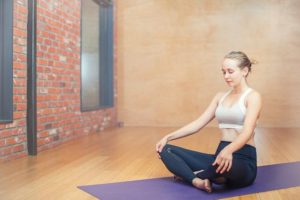
Yoga. This practice requires you to pay attention to the present moment and refine your awareness and perception. We tend to be so wrapped up in our daily activities that we often become oblivious to the quiet part within us. Our mind demands outward stimulation so it is very important to take time to dive into your inner world.

reading

Engage Nature. Take time away from business and reconnect with nature. This can be and variety of activities, including taking a walk, reading a book outdoors, or simply sitting and listening to nature’s soothing sounds. If possible, leave technology indoors.

Focus on the moment. It’s not all about slowing yourself down, it’s about practicing mindfulness. Being mindful means directing your attention toward the present moment and taking inventory of your surroundings and the people around you. In other words, when slowing down your life, you want to make the most of every moment rather than simply pass through it.

to do

Make a short to-do list. One of the best ways to slow down your life is to make a short to-do list. Whether it’s a daily task or a weekly project, writing it down helps trick your brain into thinking in specific steps. Having a short to-do list will help you prioritize tasks so put only three items on your list each day. This way, you’ll be able to check off the most important tasks and leave the rest for the next day or week.

Gratitude

Cultivating gratitude. This is a powerful way to boost your mood, foster stronger relationships, and even change the way you see yourself. Plus, practicing gratitude is totally free! When you practice gratitude, you’ll experience an increased sense of relaxation, a stronger immune system, and a reduction in blood pressure. Write down the things you’re grateful for or write a handwritten letter to someone special and focus on the good qualities of that person.

Declutter

Get rid of clutter. Clutter clogs our brain’s neural pathways, which means that we can’t process information quickly and can negatively impact our relationships, health, and work performance. We also spend an inordinate amount of time searching for things. This is time we could be spending with loved ones or relaxing. When tackling a clutter problem, it’s important to start small. Start by putting your dirty laundry in a hamper, and then clear off the tops of appliances and shelves and move up from there.

SM cozyupbestInsta_1

Create a cocoon. Fall is the best time to start learning the art of cocooning. You can start by setting aside a specific space in your bedroom. Then, set a schedule for cocooning and begin to follow it. Make sure you have plenty of comfortable pajamas on hand for your sessions.

The cooler weather and shorter days are the perfect time to think about slowing down your life. Tell us how you step back when things get hectic in the comments below or post on our Facebook page!


Why We Need Quiet Time

Our lives and our world are full of noise and distractions. Sometimes so much so that we lose focus on what we need to get done. We also forget to take the time for some peace and quiet which is an important part of our overall well-being.

Many people view taking time for solitude and serenity as a luxury they simply cannot afford because let’s face it; if we aren’t doing anything then we’re getting nothing done. This mindset stops us from taking the time we need to grow, renew, and revive.

Look at it from a different perspective, when you take in the silence you allow yourself to engage in time for self-reflection and awareness. Everyone needs quiet time, but what does it entail and how will you benefit? We have some thoughts on that.

meditate-ga5d3a5547_640

  1. Renewal requires rest

It’s simply impossible to just go, go, go without resting. Everything requires repair and maintenance including the human body. The easy part is relaxing the body; it’s relaxing the mind that’s the hard part. Meditation is a great way to check-out for a bit, mute the noise in your head, and gain the peace you need.

checklist-g5a75ab73e_640

  1. Rediscover what’s important

When caught up in the whirlwind that is our daily routine, we forget or even ignore what really matters. When you have too many responsibilities or waste time on unnecessary tasks, you lose sight of the important things. You need quiet time to rediscover what you’ve neglected and to revisit priorities.

puzzle-g47ce743aa_640

  1. Make order from chaos.

When you’re knee-deep in a commotion of activity there is no time for prioritizing tasks. You’re too busy crossing things off the list. The best time to examine the reasons behind what you do in life is best found during quiet moments to yourself.

woman-g3016f4e2c_640

  1. Quiet time reinforces your meaning

The human mind needs time to put things into perspective. This can’t be done when you are doing 20 things at once or always chasing deadlines. You need peaceful silence to do that. Only then are you able to rejuvenate and reboot.

Nap

  1. Quiet time is a stress eliminator

You might not be able to completely escape stress, but you can certainly practice ways to mitigate it. One quick and simple way to reduce stress is to  regularly carve out 15-30 minutes of your day to sit quietly alone, meditate, read a book or listen to music, go for a peaceful walk, or put on your pajamas and take a quick nap. If you have even more time (such as a long lunch break) use it. But it’s not all about how long you’re quiet; it’s about making time for it in your life no matter the length of time. It’s the easiest way to nourish your mind and body so you can return to your routine with more energy and focus.

Healthy

  1. Heal and stay healthy with quiet time

Medical professionals use dark, quiet rooms for patient recovery from surgery and illness for good reason. Any form of healing, both medical and physical require complete rest and relaxation so that your body and mind to recuperate. Similarly, when you learn to wind down improve your chances of staving off future health problems and disease. A body under less stress has a higher immunity level.

Quite time may seem like an unreasonable goal but believe us, it’s totally attainable. Plan it, do it, and make no excuses for taking the time you need.